
Staged photos that make you look like a regular at gay clubs. A letter from a “boyfriend” you’ve never actually dated, plus a note from an LGBTQ+ group vouching that you’re one of theirs.
According to British officials, that was the package on sale in east London, at up to £4,500 (roughly $6,000).
On Tuesday, October 6, immigration officers raided the people they say were selling it. The buyers, officials say, were men hoping to stay in the UK by claiming they were gay and would be in danger if sent home. More than 100 of their asylum cases are now being re-examined.
What Happened In The London Raid
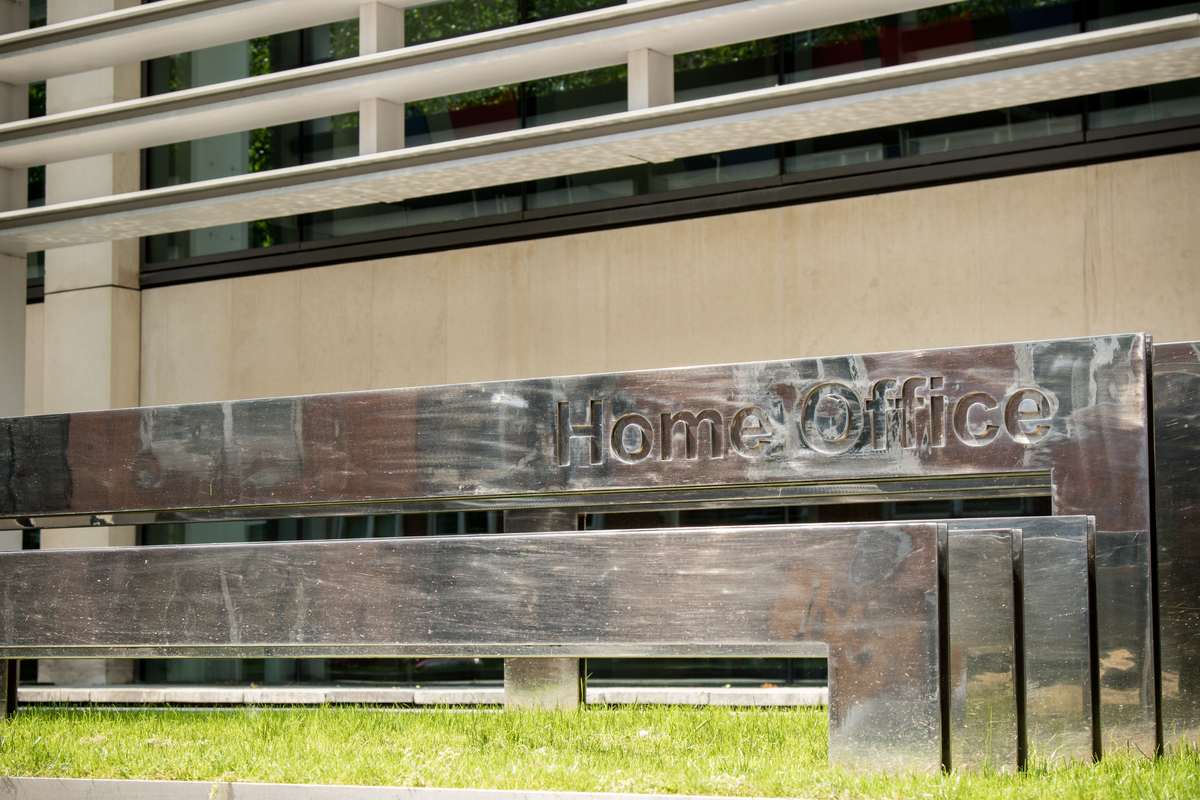
The raid was carried out by Immigration Enforcement, part of the Home Office, which is the British government department in charge of immigration and policing. A BBC News crew went along.
Two people were arrested at addresses in London on suspicion of fraud and immigration offenses. A third was arrested on suspicion of being in the country illegally. Officers also took away phones, jewelry and thousands of pounds in cash.
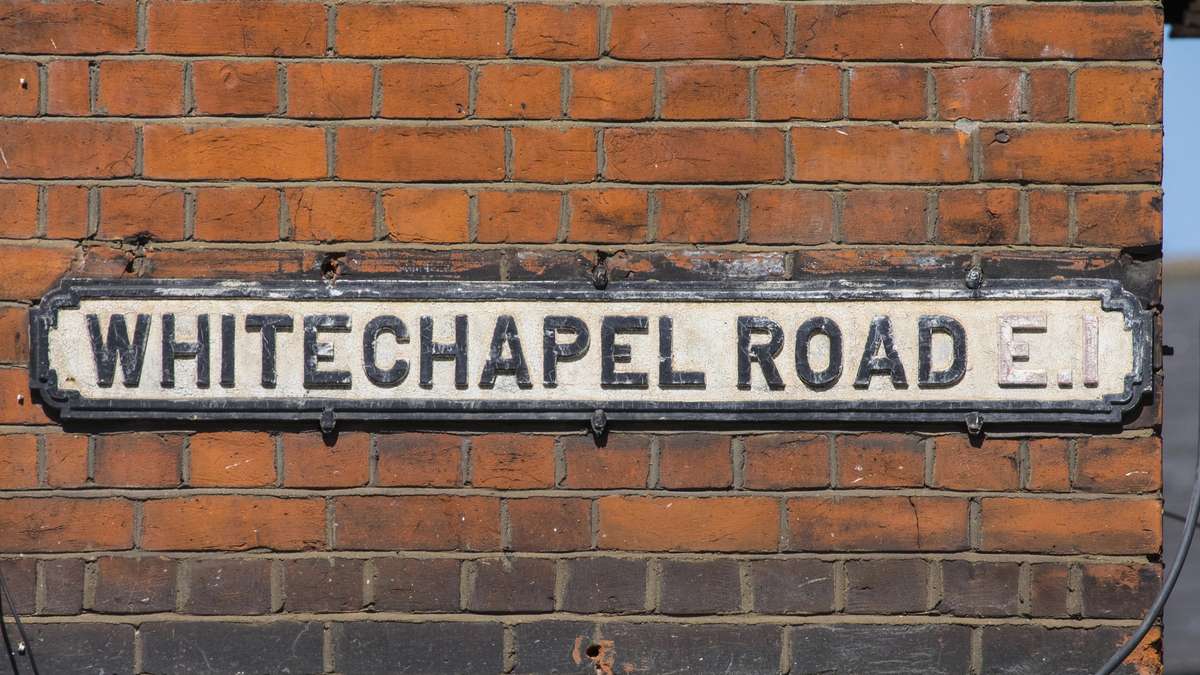
Chris Foster, a regional lead for criminal investigations at the Home Office, told the BBC the case is linked to Apanjon, a Bangladeshi community LGBT organization in Whitechapel, east London. Caseworkers reviewing asylum claims first noticed suspicious patterns, he said, and investigators had been on it for several months.
The Home Office is now going back through more than 100 asylum claims connected to the alleged network. Foster said some of the fake applications would “undoubtedly” have been granted.
These are arrests on suspicion. Nobody has been convicted, and the BBC’s report did not include a response from Apanjon.
Photos, Letters And A Fake Boyfriend
Foster was specific about what the money allegedly bought.
“We’ve got some intelligence that they can provide fake letters and documents, and they could charge anywhere between £1,000 and £4,500,” he said.
“It could be letters of support from Apanjon, it could be staged photographs, suggesting that these people are gay, it could be letters from people claiming to be in a friendship or a sexual relationship – [a] same-sex relationship – as the claimants.”
The group had been flagged before. According to the BBC, immigration judges have previously called evidence from Apanjon unreliable or not credible. In one case, an applicant who said he’d attended the group’s events turned out to have submitted staged photos.
The timing of the claims raised eyebrows too. The Home Office says the group often vouched for men who only said they were gay after an earlier asylum claim, made on political grounds, had been turned down. One man didn’t mention his sexuality until nine years after his first application.
None of this came out of nowhere. Six months ago, the BBC had already sat inside a very similar operation with a hidden camera.
The Undercover Sting That Started It
In April, the BBC published an undercover investigation into what it called a “shadow industry” of law firms and advisers helping migrants pose as gay.
Its reporters posed as students from Pakistan and Bangladesh whose visas were about to run out. One of them got a call from an adviser named Tanisa Khan, who worked with a group called Worcester LGBT. He told her he wasn’t gay. It didn’t put her off, and that evening she met him at her home, in a bedroom upstairs.
For £2,500 (about $3,300), she offered what she called a “comprehensive package”: photos of him at clubs, a letter from the group, and a letter from someone who would say they’d had sex with him.
“There is no check-up to find out if the person is a gay,” she told him. “The main thing is what you say.”
He asked what would happen with his wife back in Pakistan. She had that covered as well: “Once she’s here, we can make her a lesbian.”
Reporters also went to a Worcester LGBT event at a community center in Beckton, east London, where more than 175 people had turned up. One man standing outside told the reporter: “Nobody is a gay here. Not even 1% are gay.”
The investigation led to two arrests in May, and Worcester LGBT has since closed. Its founder said the group didn’t create or support fake evidence. Khan blamed a “misunderstanding” caused by language difficulties and denied advising the reporter to make a false claim.
Tuesday’s arrests are a separate case. The Home Office says Apanjon is accused of using the same tactics.
Wait, You Can Get Asylum For Being Gay?
Yes, and not only in Britain. In the US, sexual orientation has been formally recognized as grounds for asylum since 1994. That year, Attorney General Janet Reno made the case of a gay Cuban man, Fidel Armando Toboso-Alfonso, binding precedent for asylum decisions nationwide.
Dozens of countries still punish gay people, and in some of them being out can get you killed. In Bangladesh, a colonial-era law known as Section 377 punishes “unnatural” sex with up to life in prison. In 2016, Xulhaz Mannan, founder of the country’s only LGBTQ magazine, was killed along with fellow activist Mahbub Rabbi Tonoy.
The weak spot is the one the alleged fraudsters were counting on. No document proves you’re gay. Asylum officers mostly have your story, your interview and whatever evidence you managed to collect.
Immigration lawyer Ana Gonzalez put it bluntly to the BBC: with LGBTQ+ claims, it comes down to “how convincing you can be on that particular day, irrespective of whether you’re telling the truth or not.”
Why Real Gay Refugees Pay The Price
For LGBTQ+ advocates, the people who lose most here aren’t the fraudsters.
Gay men fleeing countries like Bangladesh often arrive with no evidence at all, because hiding was how they stayed safe. Some come out for the very first time in a Home Office interview room. Every fake “boyfriend letter” gives officials one more reason to doubt the real ones.
The fraud also doesn’t seem to be the norm. Rosalind Duignan-Pearson of the LGBTQ+ asylum charity Micro Rainbow told Big Issue that sexuality-based claims are just 2-3% of UK asylum applications, and there’s no evidence that faking them is widespread. “There is no cheat formula for doing it,” she said.
After the April investigation, the Refugee Council, a major UK charity, said it works every day with LGBTQ+ refugees from countries like Uganda and Pakistan “who have faced imprisonment, violence and abuse simply for who they are.” Its warning: “These kinds of abuses must not be used to undermine the credibility of people with genuine need for asylum.”
The government is promising to come down hard. Home Secretary Shabana Mahmood said “those faking persecution are beneath contempt and mock real victims who need protection,” and that anyone caught cheating will have their claim thrown out and be removed from the country. Asylum fraud carries up to 10 years in prison.
For now, more than 100 cases are back on officials’ desks. Some of those men may really be gay, and they now have to prove it all over again.