
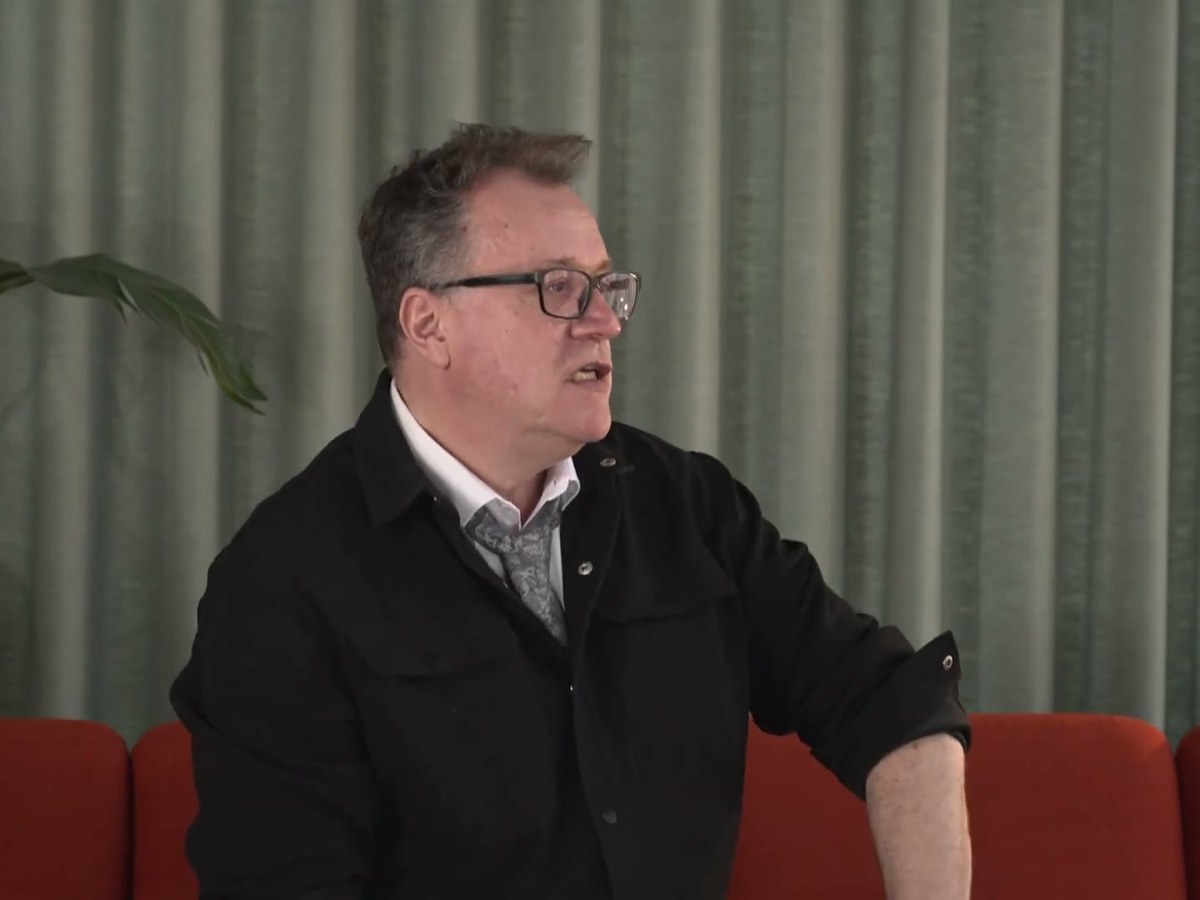
There’s a kitchen knife by Russell T Davies‘s front door. He keeps it there, he says, “ready to use.”
The man who gave the world Queer as Folk told The Guardian that people online have worked out where he lives, and that one of them turned up at his house. He ties it directly to years of online abuse aimed at him over his support for trans rights.
If that sounds familiar, you may have started watching his new series this weekend. Tip Toe, which arrived on Starz on October 2, is about a gay man whose neighbor reads so many lies online that he comes to see him as a threat to his teenage son.
Russell wrote it as a warning. Now he’s describing something uncomfortably close to it at his own front door.
The Man Who Gave Us Queer as Folk
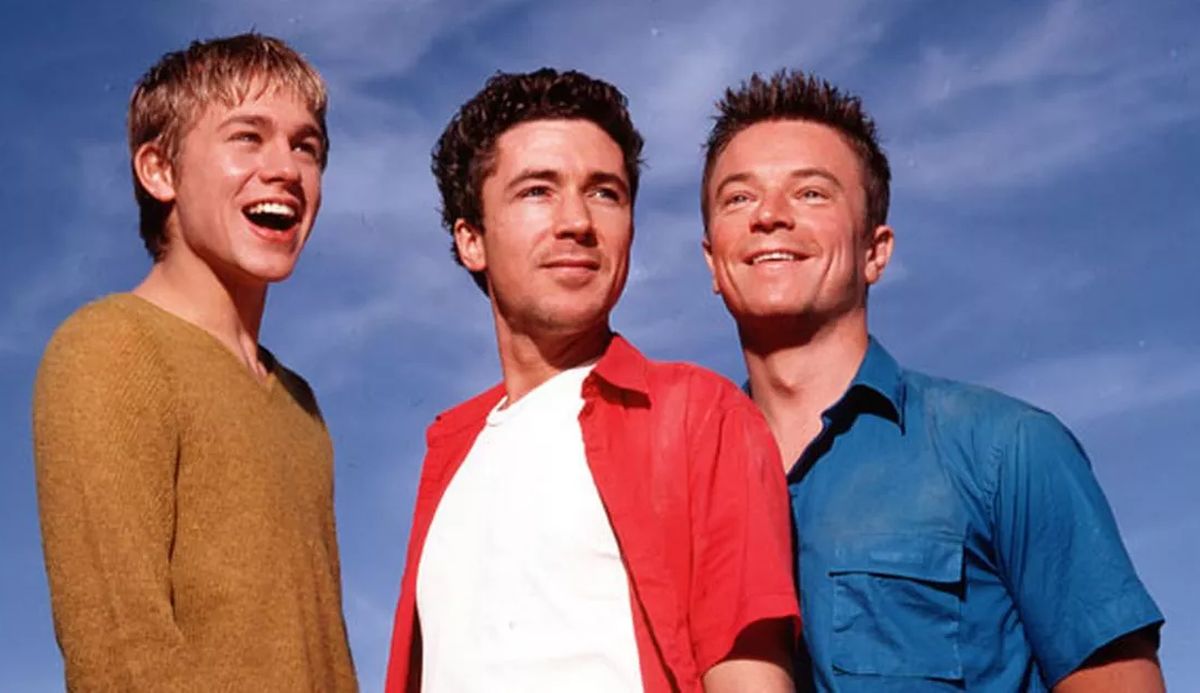
Plenty of Americans know Russell’s work even if they don’t know his name. In 1999, he created Queer as Folk for Britain’s Channel 4, following three gay men through the bars and clubs of Manchester’s Canal Street. It was frank and funny, and a good chunk of Britain was scandalized.
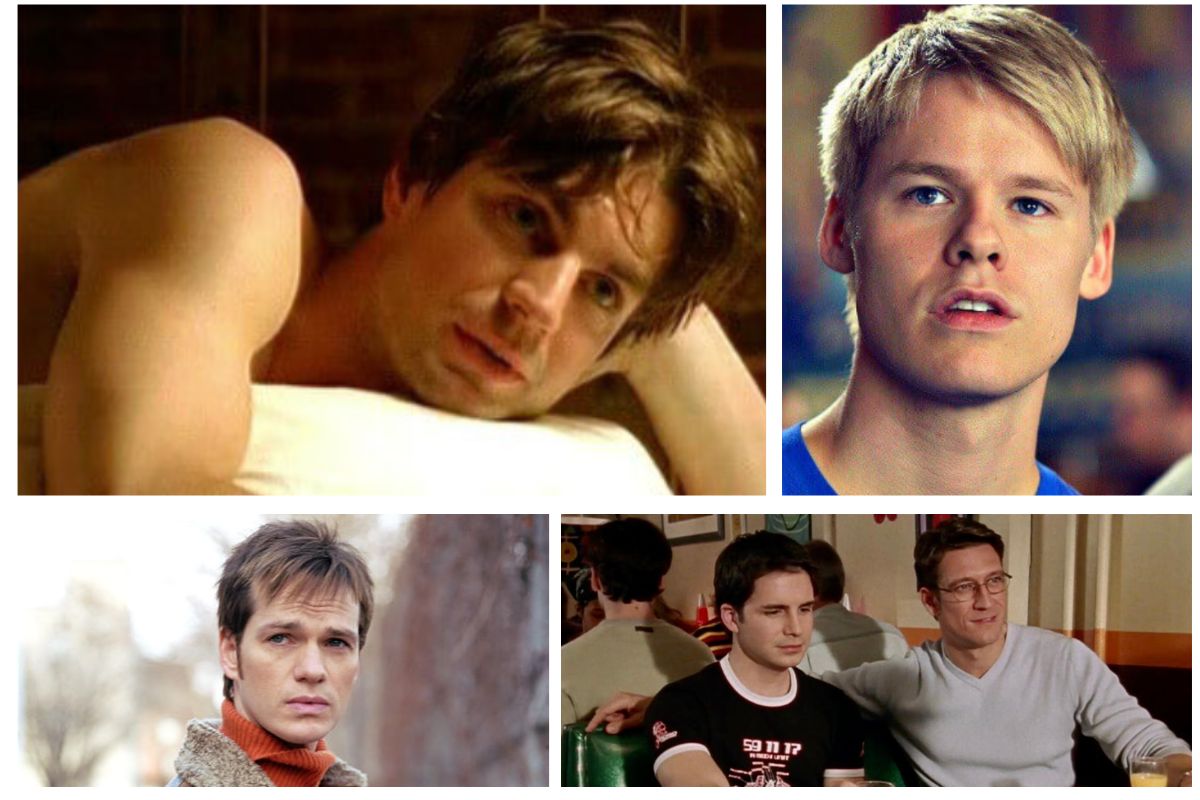
A year later, Showtime remade it for American audiences, moved it to Pittsburgh and gave us five seasons of Brian Kinney (Gale Harold) between 2000 and 2005. If you want the backstory on that one, we’ve collected the Queer as Folk secrets nobody told you.
Russell went on to bring Doctor Who back from the dead in 2005 and to write It’s a Sin, his drama about the AIDS crisis in 1980s London.
Now 63, he’s promoting a memoir, The Queerest of Folk, out in the UK on October 8. That’s what the Guardian interview was supposed to be about.
“One Person Turned Up at My House”
Russell has a reputation as one of the most cheerful men in television. He told the Guardian he used to brush off what came with being an outspoken supporter of trans rights: the death threats, and the “groomer” smear, an old anti-gay slur that falsely paints LGBTQ people as a danger to children.
That changed when it left the screen.
“The online world is becoming the real world,” he said. “People have worked out my address, and one person turned up at my house.”
His reasoning is grimly simple. If a stranger believes the lies told about him, he said, it’s “not the maddest thing in the world to come and get me.”
“I’ve been saying for years that our rights are paper-thin,” he added, “and here we are.”
The interview doesn’t say when the visit happened, who the man was or what he wanted.
Graham Linehan Disputes Part of It
Russell named one of the people he holds responsible: Graham Linehan, the Father Ted co-creator who has become one of Britain’s most prominent anti-trans campaigners.
Linehan responded on X, as PinkNews reported, saying the claim that he’d called Russell a pedophile was “a lie.” The other label, he stood by. “I did call him a groomer,” he wrote, tying it to what he described as Russell using Doctor Who to push “gender ideology.”
Russell has said the abuse ramped up after he cast trans actor Yasmin Finney in Doctor Who in 2023. “It reaches the point where you think, ‘How much am I in danger from this?'” he told CNN.
He Already Wrote This Story
Which brings us back to Tip Toe.
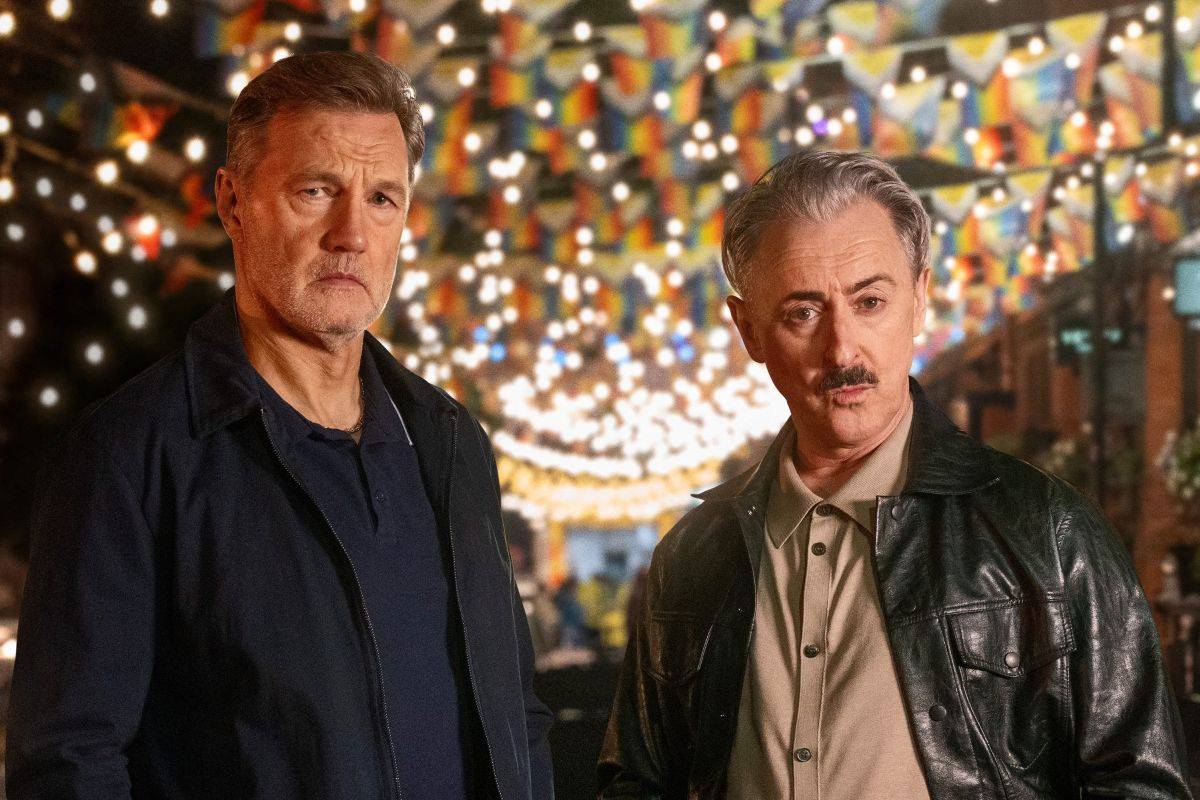
Alan Cumming plays Leo, a gay man who runs a bar on – where else – Manchester’s Canal Street. David Morrissey plays Clive, the straight neighbor next door. Fed by what he sees on social media, Clive slowly talks himself into believing Leo is after his 16-year-old son, George, played by Jackson Connor in his breakout role.
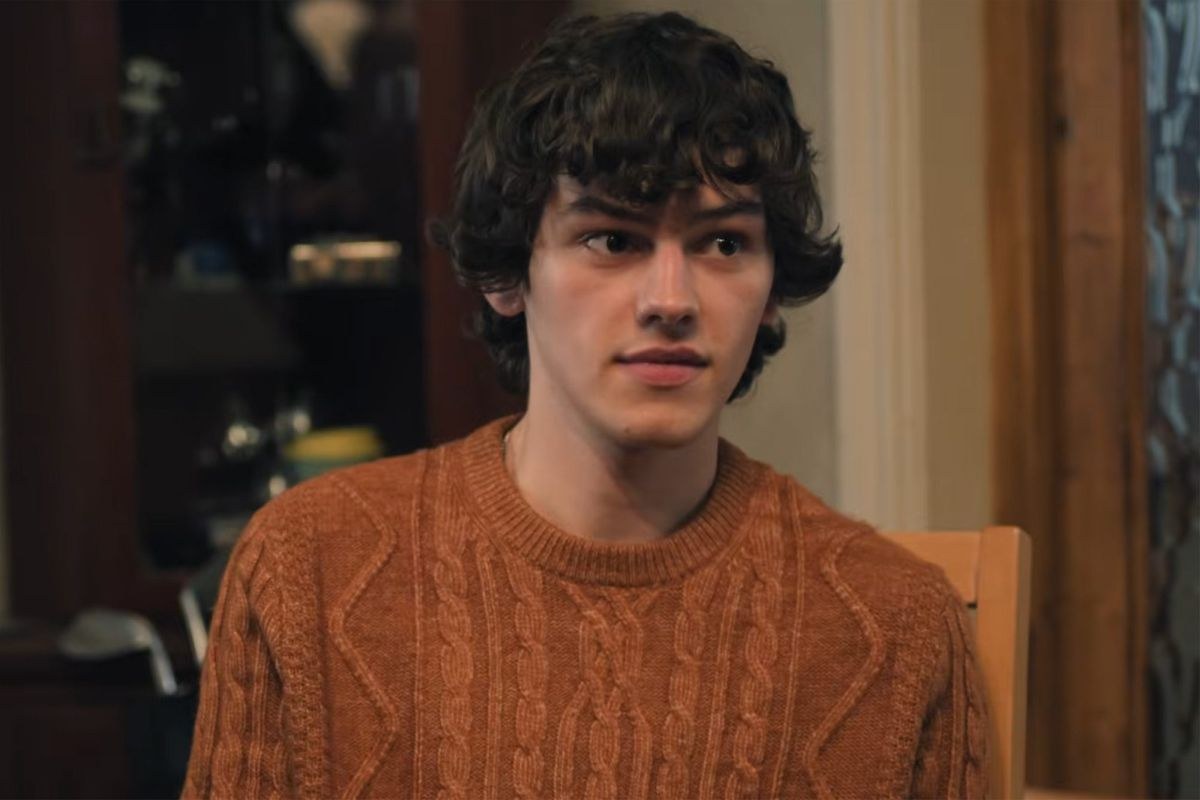
Jackson, 23, knows George’s story from the inside. “I came out when I was 15, so I went through the same kind of things as George,” he told NME.
Russell told CNN the show grew out of watching an old lie come roaring back: that gay people are out to recruit children. “The impossibility of this is advancing on us rapidly, tumultuously,” he said. “My God, I had to write about it.”
In the first episode, bar regular Melba (Paul Rhys) puts it this way: “I used to walk into a room and go, ‘Tah-dah!’ Now, I tiptoe – just in case.”
The feud doesn’t stay at shouting over the fence, and we won’t spoil where it goes. When it aired on Channel 4 in late May and June, it got four stars or more from The Guardian, The Independent and the Financial Times.
Russell told CNN he’d ignored the abuse for a long time. “For 10 years, I’ve sat there not caring about it,” he said, “but now I think we are seeing a world in which online anger is stepping out into the real world.”
“Hatred Is Being Monetized by an Algorithm”
Russell doesn’t pin this on one man. He blames the platforms that profit from the anger.
“What scares me is that I can’t see an end to it,” he told the Guardian. “Nothing is going to unseat these tech barons – it will require some sort of revolution to stop them. So for the first time in history, hatred is being monetized by an algorithm.”
He’s watching America, too. Speaking to CNN, he pointed to the August 31 shooting outside Venture-N, a longtime gay bar in Tucson, Arizona, where a gunman killed Vincent Anthony Siqueiros, 42, and Cameron Davis Capara, 33. Police said the attack was motivated by hate toward the LGBTQ community, and that the gunman carried a note listing several LGBTQ-associated businesses.
“It’s the shape of the world now,” Russell said. “It’s terrifying.”
Still Hoping for a Happy Ending
None of this has stopped him writing. Russell told the Guardian he has a fresh idea in the works, and after Tip Toe, he’d like to give this one a happy ending.
“I’m very excited,” he said. “These are strange days for telly, so I hope it gets made.”
After 27 years of putting gay lives on screen, he’s earned one.